The ongoing conflict between state-legal cannabis markets and federal law continues to create serious barriers for businesses connected to the industry. The latest example comes from a newly finalized rule issued by the U.S. Department of Agriculture (USDA).
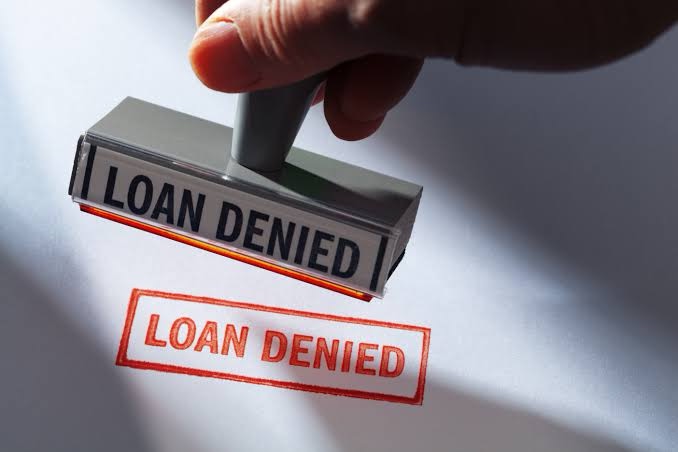
In October 2024, the USDA finalized amendments to its OneRD loan guarantee program, which is administered through the Rural Utilities Service. The updated rule prevents companies from participating in the program if they receive income connected to cannabis-related operations. While the policy change received limited public attention at the time, the USDA recently reaffirmed its position in a Federal Register notice responding to public comments.
At the core of the issue is federal cannabis prohibition. Under the rule, lenders are prohibited from working with any borrower that earns revenue from activities considered illegal under federal law, including cannabis.
As reported by Marijuana Moment, the rule states that lenders may not work with an entity “if it derives income from illegal drugs, drug paraphernalia, or any other illegal product or activity as defined under Federal statute.”
This restriction applies even in states where adult-use or medical cannabis is legal. According to the rule, “A borrower that intends to lease space or enter into a power purchase agreement with a marijuana dispensary is not eligible,” because that income would be tied to a cannabis operation that remains illegal at the federal level under the Controlled Substances Act (21 U.S.C. 812), as quoted by Marijuana Moment.
Industry Pushback and Federal Resistance
The USDA acknowledged receiving four public comments opposing the cannabis-related restriction, all of which disagreed with the agency’s decision. Despite this pushback, the department made it clear that it does not intend to revise the policy.
“The Agency is aware that many states have legalized the production and sale of marijuana; however, marijuana is currently listed as a Schedule I substance under the Controlled Substances Act,” the USDA stated, according to Marijuana Moment. The agency further emphasized that any entity deriving income from federally illegal products remains ineligible for assistance.
Could Rescheduling Change the Outcome?
The rule arrives at a critical moment for federal cannabis policy. President Donald Trump recently signed an executive order directing the Department of Justice to complete the process of moving cannabis from Schedule I to Schedule III under the Controlled Substances Act. If implemented, the change could significantly alter how federal agencies treat cannabis-related activity.
However, it remains unclear whether rescheduling alone would automatically impact USDA rules like the OneRD restriction. Until statutory changes are finalized, cannabis-adjacent businesses may continue to face federal limitations regardless of state legality.

Hemp Support Continues: With New Complications
While cannabis remains restricted, the USDA has continued to support the hemp industry following its legalization under the 2018 Farm Bill. This includes appointing industry stakeholders to federal trade advisory committees designed to promote U.S.-grown cannabis internationally, a move that highlights the federal government’s uneven approach to the broader cannabis plant.
At the same time, the department must now navigate a newly enacted federal law reinstating a ban on most consumable hemp products, currently the most profitable segment of the hemp market.
CBD, Medicare, and the Road Ahead
Beyond rescheduling, President Trump has also publicly supported expanded access to full-spectrum CBD, citing its therapeutic potential. He has suggested that certain cannabinoid-based products should be covered under Medicare for qualifying patients, signaling incremental shifts in federal cannabinoid policy, even as cannabis itself remains constrained by outdated laws.
The Bigger Picture for Cannabis Businesses
The USDA’s rule change underscores the persistent challenges created by federal cannabis prohibition. For lenders, developers, and service providers, even indirect connections to cannabis operations can trigger federal disqualification.
Until comprehensive federal reform is enacted, the cannabis industry will continue operating in a contradictory system, one where legality depends less on state law and more on unresolved federal definitions.

Stay in the loop with all things Illinois Cannabis by joining the Couch Lock’d Newsletter here!
Follow our NEW Instagram here!
Become a Couch Lock’d Member.
Want to meet more people in the community and see what everyone’s smoking on? Join our Telegram channel here.
Find our latest reviews here.
Hosting an event & need a consumption bar? Hit us up here.
Save money with our affiliate links here.
Get your Illinois Medical Card for $75 now with our link here or code “CouchLockd”!
 COUCH LOCK’D