
In recent years, cannabis cultivators across North America have been hit by an invisible enemy that’s costing them billions in lost yield and reputation. Hop latent viroid (HLVd), once a quiet passenger in hop crops, has now emerged as one of the most destructive forces in commercial cannabis. It’s spreading rapidly through grow rooms, quietly reducing plant vigor, cannabinoid production, and overall profitability, leading many to nickname it “the COVID of cannabis.”
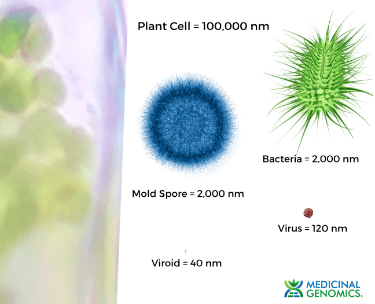
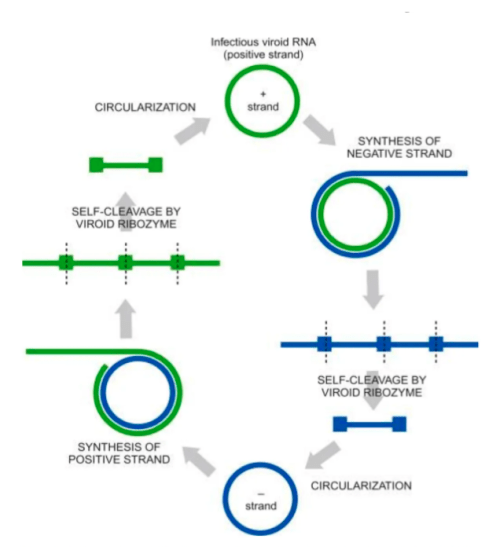
HLVd is the smallest known plant pathogen, a circular, single-stranded RNA molecule just 40 nanometers in size. Unlike viruses, it has no protein coat, yet it’s entirely dependent on the host plant for replication. It moves stealthily, often without immediate symptoms, which makes it even more dangerous. First identified in hops in the 1980s, the viroid was confirmed in cannabis by researchers in California in 2019. Since then, it’s spread like wildfire across the U.S. and Canada.
Growers began noticing plants that looked healthy during veg but failed to deliver in flower, smaller buds, fewer trichomes, dull aroma, and weaker effects. This condition, dubbed “dudding,” is now known to be linked to HLVd. According to a 2021 study, HLVd can reduce cannabinoid content by up to 50% and yields by as much as 30%–50%. One California lab reported that 90% of the facilities it tested had at least some level of infection.
The economic impact is staggering. Experts estimate that HLVd is responsible for over $4 billion in combined losses across North America. Cultivators are forced to destroy entire crops, replace mother stock, and reinvest in sterilization and genetic testing, all while racing against a rapidly spreading pathogen. Zamir Punja, a plant pathologist at Simon Fraser University, called it “the number one pathogen cannabis growers should fear.”
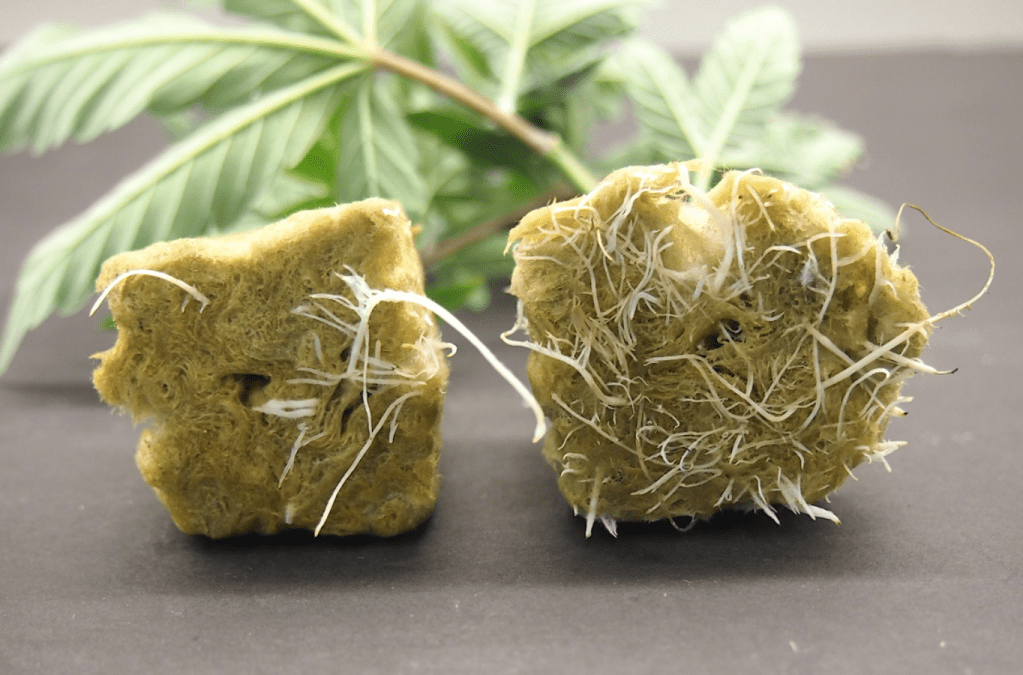
Image courtesy of Dr. Zamir Punja.
So how does this microscopic menace spread? Most often, it’s through us, humans. Contaminated tools, gloves, scissors, and shared propagation equipment are primary culprits. Cloning from an infected mother will guarantee infected offspring. In hydroponic environments, HLVd can spread even faster through shared water systems. It’s also been found in seeds, passed from infected plants through pollen and ovules. Without strong protocols, even the most controlled indoor operation can become a hotspot.
There’s no silver bullet to treat HLVd once it takes hold. Prevention is the best protection. Early and routine testing, using RT-qPCR, RT-LAMP, or other viroid detection tools, is essential, especially in nurseries. Sanitizing all tools, equipment, and workspaces should become second nature. Any new genetics or clones should be quarantined and tested before introduction to the main facility. If an infection is found, the only real option is complete removal and destruction of the plant. Some labs have had success using meristem-tip culture combined with thermotherapy to produce HLVd-free versions of valuable cultivars, but that’s time-consuming and costly.
The cannabis industry is already operating under pressure,from strict regulations, market saturation, and shifting public perception. HLVd adds another layer of risk that many small and mid-sized growers can’t afford to ignore. It may not make headlines like mold or spider mites, but its long-term impact is far worse. Unlike visible threats, HLVd operates in the dark—and by the time you see it, it’s already done the damage.
By shining light on this viroid, Couch Lock’d aims to empower cultivators with the knowledge they need, before HLVd takes your crop, and your reputation.
Have you dealt with HLVd in your grow Drop a comment below and share your experience, or your prevention tips. And if you found this article helpful, give it a like so we can keep bringing you the cannabis coverage that matters.

Stay in the loop with all things Illinois Cannabis by joining the Couch Lock’d Newsletter here!
Become a Couch Lock’d Member.
Want to meet more people in the community and see what everyone’s smoking on? Join our Telegram channel here.
Find our latest reviews here.
Hosting an event & need a consumption bar? Hit us up here.
Save money with our affiliate links here.
Get your Illinois Medical Card for $85 with our link here.
 COUCH LOCK’D