Alright, crew, grab your snacks and buckle up. The tariff situation we talked about has escalated, especially concerning China, and it’s sending shockwaves directly toward the cannabis industry’s supply lines. While a baseline 10% tariff on most imports is in effect, and higher “reciprocal” tariffs on many countries are currently paused for 90 days, China is facing the full force, with combined tariffs hitting a staggering 145% or even 150% on many goods essential to the cannabis market.
The China Tariff Hammer Falls
Forget hypotheticals, this is happening now. As of early April 2025, after a rapid series of escalations and retaliations between the US and China, goods imported from China are subject to multiple layers of tariffs:
- Existing duties (like a 20% fentanyl-related tariff and potentially older 25% tariffs on items like vapes).
- New, steep “reciprocal” tariffs that specifically target China and were not included in the 90-day pause granted to other nations.
The result? A cumulative tariff rate reported to be 145-150% on key items. Furthermore, the “de minimis” rule allowing small shipments (under $800) to enter duty-free has been effectively eliminated for China, adding more costs and hurdles.
Cannabis Caught in the Crossfire: Why China Matters
While cannabis flower and final products sold legally in the US are domestically produced, the industry’s infrastructure heavily relies on Chinese manufacturing. This is where the 145%+ tariffs become a massive problem. Think about:
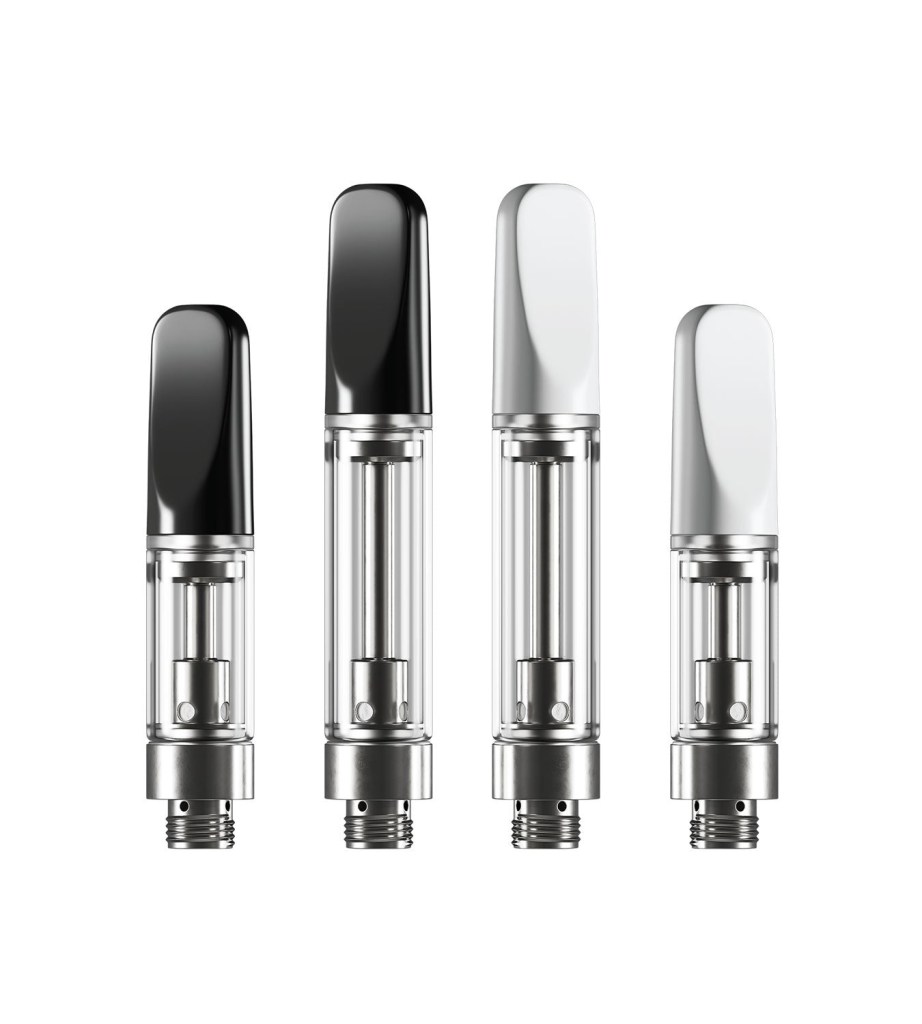
- Vape Hardware: The vast majority of vape pens, cartridges, batteries, and disposable units are manufactured in China, particularly in Shenzhen. These items are directly hit by the highest tariff rates.
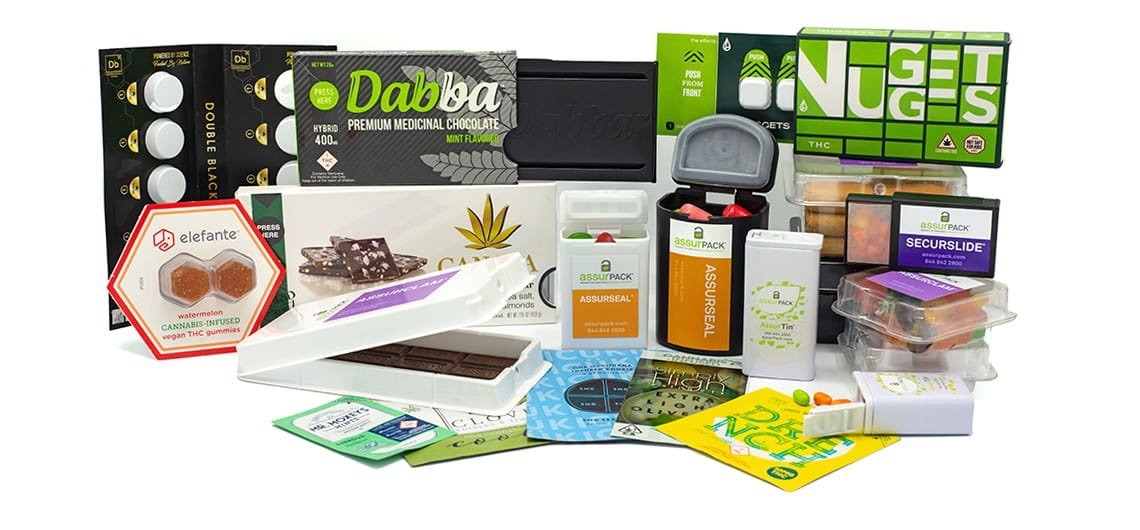
- Packaging: Child-resistant jars, custom tins, mylar bags, and specialized glass – much of it originates from Chinese factories.
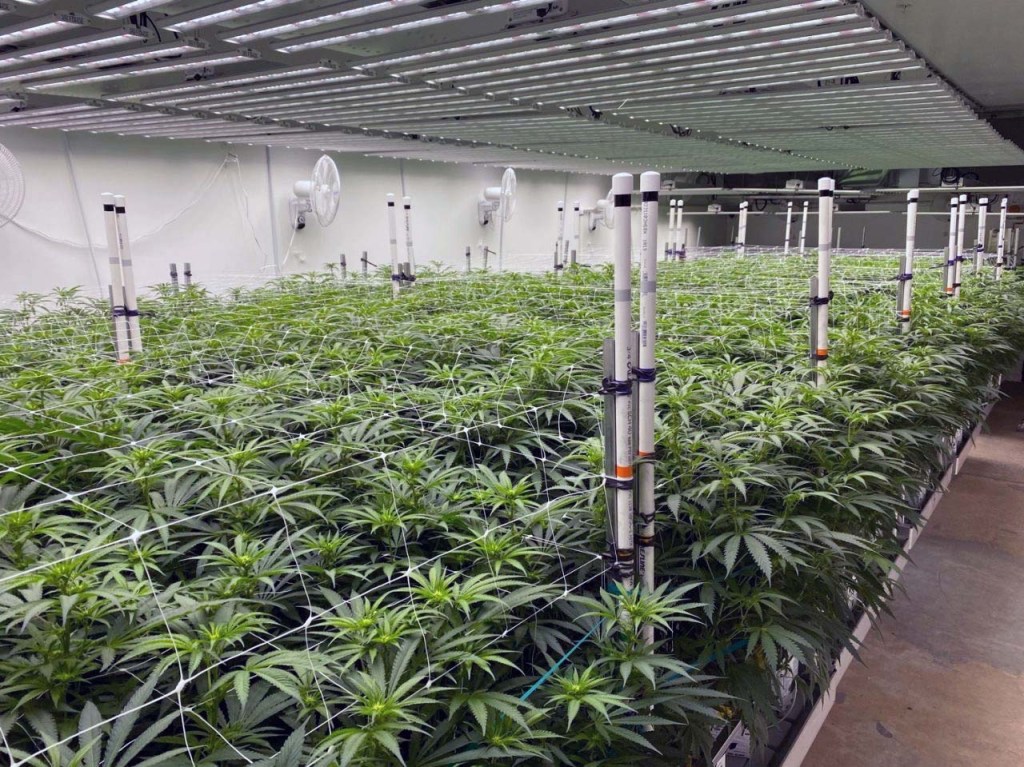
- Cultivation & Processing Gear: Critical equipment like LED grow lights, HVAC systems, extraction machinery components, and automation systems often relies on Chinese manufacturing or parts.
The 145% Ripple Effect: Cost Tsunami Incoming
A 10% or 20% tariff is one thing; a 145% tariff is a potential tsunami for costs. Consider a vape cartridge component that costs $1 to import from China. With a 145% tariff, that cost jumps to $2.45 before it even gets incorporated into a final product and marked up through the supply chain.
Industry analysts and businesses are reporting:
- Potential cost increases of millions annually for vape companies based purely on the hardware tariffs.
- Concerns that while some suppliers might try to absorb some costs initially, passing the majority onto brands, retailers, and ultimately consumers is almost inevitable.
- Predictions that the average price of vape products, which had been falling, could see sharp increases.
- Pressure on already thin margins in highly taxed and regulated markets.
High-Priced Markets Brace for Impact
While this affects everyone, the pain will be most acute in markets already struggling with high consumer prices due to state taxes and regulations (like Illinois, California, New York). Adding massive tariff-driven cost increases makes competing with the illicit market, which pays zero tariffs, incredibly difficult. This could unfortunately drive more consumers toward unregulated sources, potentially raising safety concerns if brands cut corners on hardware quality to manage costs.
Industry Scrambles: What’s the Response?
Cannabis businesses and ancillary suppliers aren’t standing still, but options are limited and costly:
- Stockpiling: Some companies ordered large amounts of inventory before the highest tariffs took effect, but that’s a short-term fix.
- Shifting Production: Companies are accelerating efforts to move manufacturing out of China to places like Malaysia or Vietnam, or exploring domestic options for items like packaging. However, replicating China’s scale and efficiency, especially for electronics like vape hardware, is difficult and takes time.
- Absorbing Costs?: Some suppliers and brands claim they will try to absorb costs to protect customers, but the sheer scale of the China tariffs makes this unsustainable long-term for many.
- Passing Costs On: Most observers believe significant price increases for consumers are unavoidable if these tariffs remain.
The Bottom Line
The trade war escalation specifically targeting China with tariffs reaching 145-150% poses a direct and severe threat to the cost structure of the legal cannabis industry. Because so many essential components, particularly vape hardware and packaging, come from China, operators and consumers alike need to prepare for potential price hikes and continued supply chain turbulence. Keep a close eye on how this unfolds, it could significantly change the economics of cannabis in the US.
Written by Midwest Dazed
Sources on Page Two
 COUCH LOCK’D