
As cannabis legalization spreads across the United States, more people are exploring the benefits of home cultivation. Growing cannabis at home allows individuals to control quality, reduce costs, and develop a deeper connection with the plant. However, accessing high-quality genetics remains a challenge. Many growers rely on online seed banks, which come with long shipping times, questionable reliability, and legal gray areas.
A practical solution is the introduction of licensed cannabis nurseries, where growers could purchase clones and seeds locally. These nurseries would provide a legal, regulated, and accessible way for home cultivators to start growing with confidence.
The Struggles of Online Seed and Clone Purchases
Ordering cannabis seeds and clones online is far from ideal. Many U.S.-based growers purchase from international seed banks, which means dealing with customs delays, potential confiscation, and inconsistent germination rates. While some U.S. seed banks exist, they often have limited strain selections and may not always provide the best genetics.
Clones, which offer a more predictable growing experience, are even harder to obtain. Most clone sellers require in-person pick-up, and shipping live plants across state lines is legally complicated. For growers who want high-quality genetics without the risk, a better system is needed.
Why Licensed Cannabis Nurseries Make Sense
Licensed cannabis nurseries would operate much like traditional plant nurseries, offering a variety of strains in seed and clone form. These nurseries could serve as trusted sources for home growers, ensuring genetic consistency and quality while following local cultivation laws.
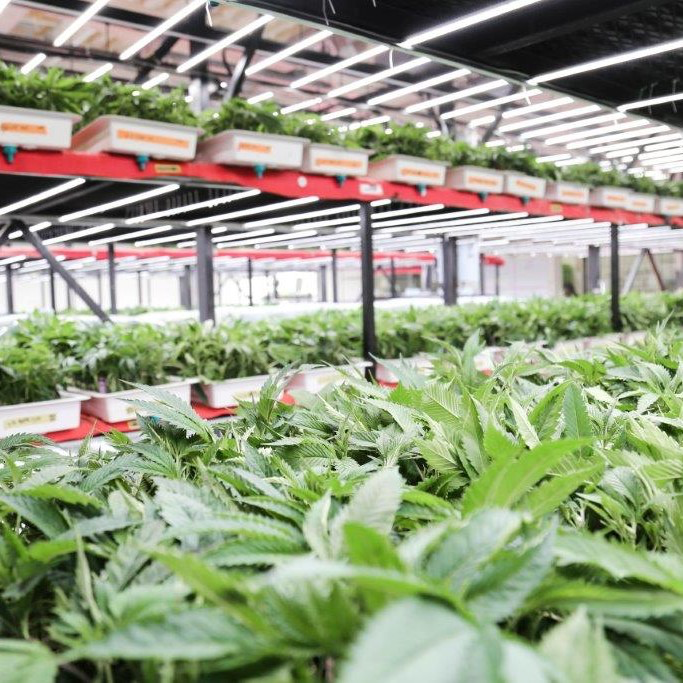
Some key benefits of licensed nurseries include:
• Reliability: Unlike online seed banks, licensed nurseries would operate within legal frameworks, reducing risks for consumers.
• Genetic Preservation: Nurseries could maintain healthy mother plants, ensuring stable genetics and disease-free clones.
• Education: Staff could provide expert advice on strain selection, growing techniques, and troubleshooting.
• Economic Growth: Local nurseries would create jobs and generate tax revenue, contributing to the cannabis industry’s overall growth.
A Look at Existing Models
States like California and Oregon already have legal frameworks for cannabis nurseries, allowing businesses to specialize in breeding and supplying clones. In California, licensed nurseries like Dark Heart Nursery provide a wide range of strains to both commercial and home growers. These nurseries ensure their clones are free from pests and diseases, which is essential for a successful harvest.
Illinois, however, does not currently allow licensed cannabis nurseries. Home growers, including medical patients, must rely on dispensaries or the black market for genetics. Introducing licensed nurseries would give growers better access to quality plants while keeping the market regulated and safe.
Expanding Home Grow Rights
In states where home cultivation is legal, limits on plant counts and licensing fees still create barriers for growers. Advocates argue that expanding home grow rights, alongside nursery licensing, would help more people participate in cannabis cultivation. By allowing nurseries to supply home growers directly, states could reduce reliance on corporate cannabis while encouraging small-scale, sustainable cultivation.
The Future of Cannabis Nurseries

As more states refine their cannabis laws, the idea of licensed nurseries is gaining traction. Allowing home growers to access quality genetics from legal sources would promote a healthier, more transparent industry. Instead of dealing with the uncertainty of online seed purchases, growers could walk into a local nursery, pick out their favorite strains, and start growing with confidence.
For cannabis to truly be accessible to all, we need to remove unnecessary barriers. Licensed plant nurseries would be a game-changer, providing a safe, legal, and convenient way for home growers to get started. It’s time to push for policies that support home cultivation and give growers the resources they need to succeed.
Sources:
1. California Bureau of Cannabis Control – Licensed Nursery Guidelines
2. Oregon Liquor and Cannabis Commission – Cannabis Nursery Regulations
3. Dark Heart Nursery – Clone Availability and Quality Control
4. Illinois Department of Agriculture – Current Home Grow Laws
 COUCH LOCK’D