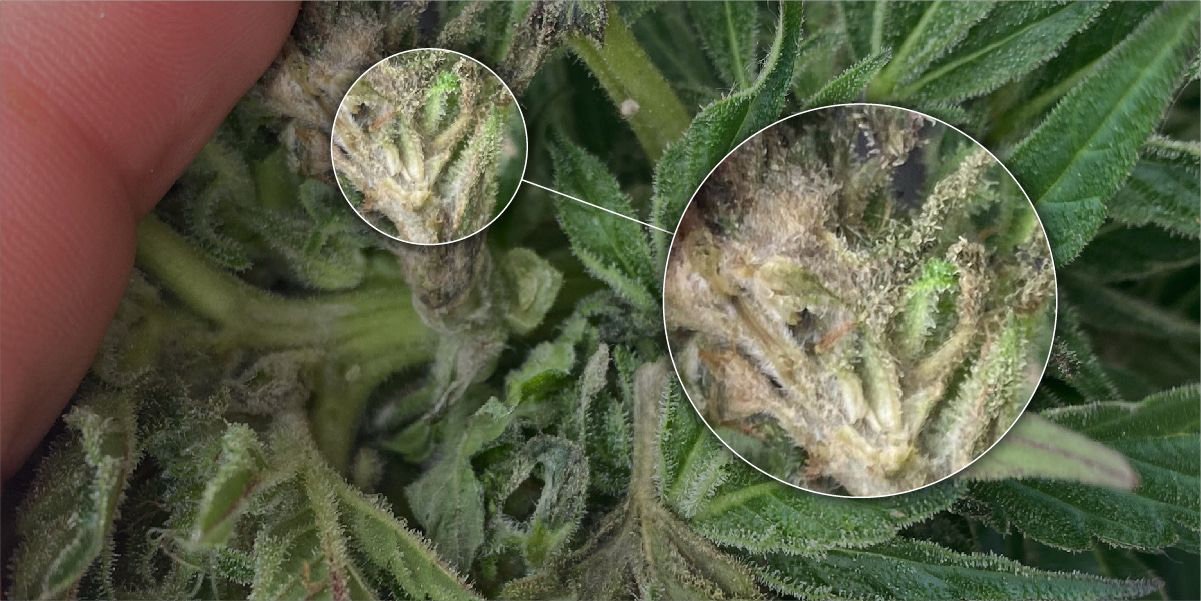
You see a sleek package on the dispensary shelf. The THC percentage is high, it passed all the safety tests, and the brand is a big one you’ve seen everywhere. You shell out your hard-earned cash expecting a top-tier experience, only to be met with a muted aroma, a harsh smoke, and a disappointingly bland high. What gives? You may have just purchased a “premium” product that was once, well, not so premium. Welcome to the world of cannabis remediation, the industry’s dirty little secret that’s allowing subpar cannabis to be sold as top-shelf.
What is Cannabis Remediation?
In a perfect world, every cannabis plant would be grown to its full potential, free of contaminants. But we don’t live in a perfect world. Mold, yeast, bacteria, and other microbials can and do affect cannabis crops, especially in large-scale commercial grows where conditions might not be ideal. When a batch of cannabis fails testing for these contaminants, it can’t legally be sold.
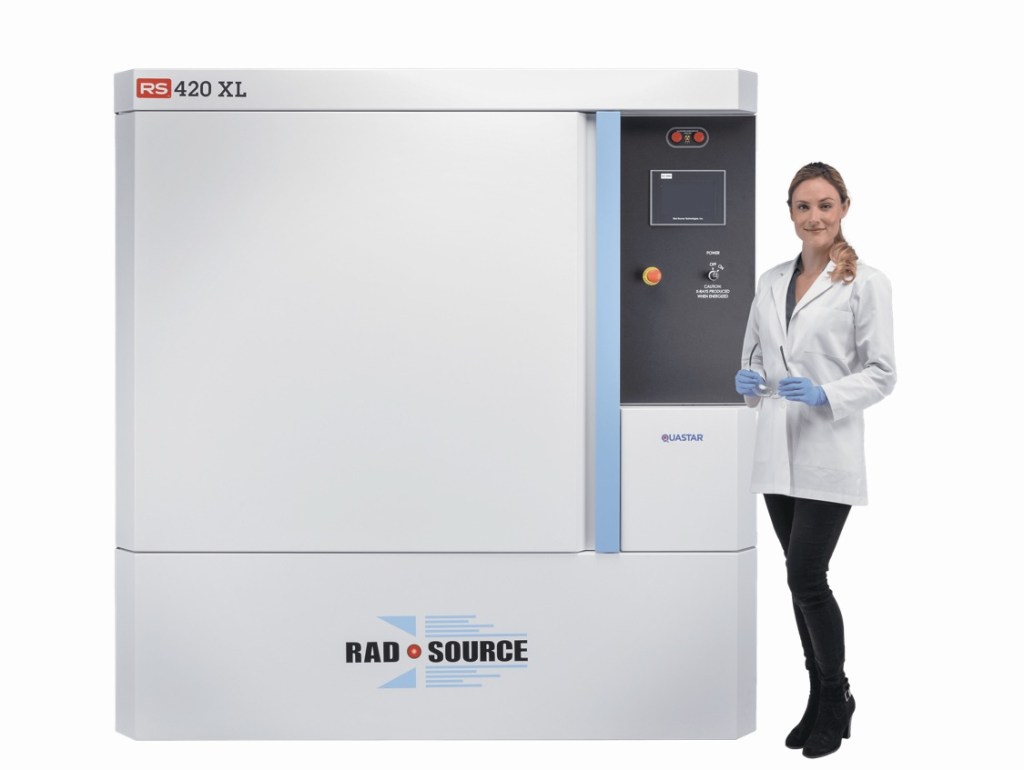
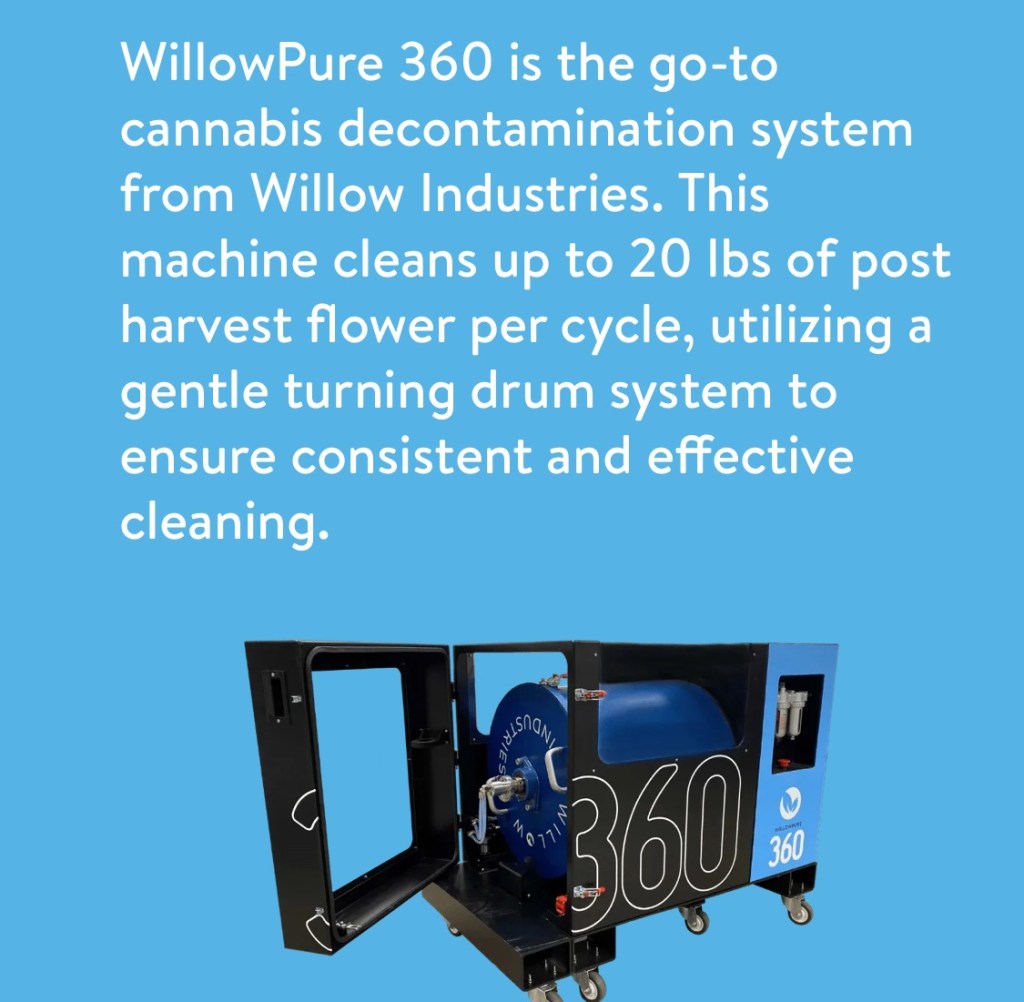
Enter remediation. It’s a range of processes used to “clean” contaminated cannabis, killing off the unwanted microbes so the product can pass a re-test and hit the market. Think of it as a form of cannabis CPR, bringing a failed product “back to life”. Common methods include:
- Irradiation: Blasting the cannabis with gamma rays or electron beams to sterilize it.
- Ozone Gas: Exposing the flower to ozone to kill mold and other microbes.
- Solvent-Based Extraction(Distillate): Using solvents like ethanol or butane to strip away the cannabinoids and terpenes from the plant material, leaving the contaminants behind. The extracted oil is then used in vapes and edibles.
On the surface, this might sound like a good thing. Safer products for everyone, right? Not so fast.
The Problem with “Polished” Pot
Here at Couch Lock’d, we believe that you can’t sell a product that has been remediated and call it premium. Remediation strips away the very properties that give it that premium price point.
The aromatic and flavorful compounds in cannabis that we all love, the terpenes, are incredibly delicate. The same processes that destroy mold and bacteria also wreak havoc on these volatile molecules. The result? A product that may be “clean,” but is also a shadow of its former self.
- Irradiation has been shown to reduce the concentration of volatile terpenes like myrcene and linalool by anywhere from 10% to a staggering 38%. That explains why that “premium” flower might have all the bag appeal but none of the signature gassy, fruity, or earthy aromas you were expecting.
- Ozone treatment, while effective at killing surface mold, is a highly oxidative process. Many in the industry argue that it effectively “blowtorches” the terpene profile, leaving behind a product with a generic, uninspired scent.
- Solvent-based remediation is a whole other level of degradation. While the goal is to isolate the desirable cannabinoids, the process often involves sacrificing a significant portion of the original terpene profile. What you’re left with is a distilled product that has been stripped of the nuanced entourage effect that comes from a full spectrum of cannabinoids and terpenes working together.
This degradation of the product is precisely why we’re against remediation. It’s not just about a less tasty smoke; it’s about a less effective and less enjoyable experience. A truly premium cannabis product is one that has been cultivated with care from seed to sale, not one that had to be “fixed” behind closed doors.
Big Brands, Big Benefits

So, who really benefits from remediation? It’s not the discerning consumer. It’s the large-scale cannabis corporations that prioritize quantity over quality. For them, a failed batch of cannabis represents a significant financial loss. Remediation offers a convenient and legal way to salvage that product and push it out to the masses.
This practice allows these larger brands to pass off what would otherwise be considered a low-quality product as something premium, simply because it now meets the minimum safety requirements. They can cut corners on cultivation, knowing that they have a “get out of jail free” card in the form of remediation. This creates an uneven playing field for smaller, craft growers who are dedicated to producing high-quality, non-remediated cannabis.
The Right to Know
Perhaps the most frustrating part of this whole issue is the lack of transparency. In most places, cannabis brands are not required to disclose if their products have been remediated. You, the consumer, are left in the dark, unable to make an informed decision about what you’re putting into your body.
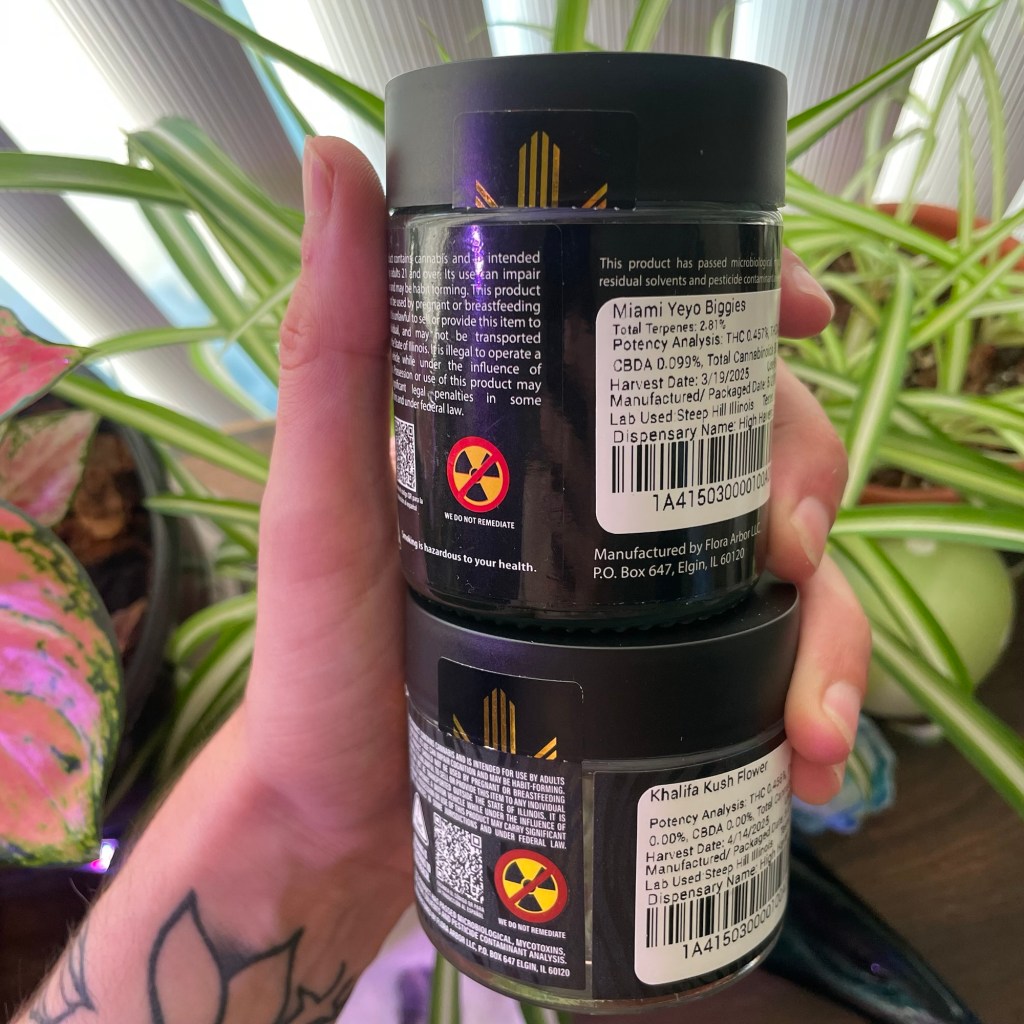
We believe this needs to change. If a product has been remediated, it should be clearly stated on the label. This would allow consumers to choose for themselves whether they want to purchase a product that has undergone these processes.
What do you think? Did you know about cannabis remediation? Do you believe brands should be required to label products that have been remediated? Drop a like and a comment below to let us know your thoughts!

Stay in the loop with all things Illinois Cannabis by joining the Couch Lock’d Newsletter here!
Become a Couch Lock’d Member.
Want to meet more people in the community and see what everyone’s smoking on? Join our Telegram channel here.
Find our latest reviews here.
Hosting an event & need a consumption bar? Hit us up here.
Save money with our affiliate links here.
Get your Illinois Medical Card for $85 with our link here.
 COUCH LOCK’D