As cannabis concentrates continue to evolve and grow in popularity, so does the need for education. From the way they’re extracted to how they look, feel, and taste, not all concentrates are created equal. If you’ve ever wondered about the difference between solventless and solvent-based concentrates, or why some extracts are suspiciously bright yellow, this article breaks it all down. We’ll also take a closer look at CRC (Color Remediation Column) and how it’s used in the industry, sometimes for the wrong reasons. Lastly, we’ll cover the wide variety of consistencies you’ll find at your local dispensary.
Solventless Concentrates: Pure, Mechanical Extraction
Solventless concentrates are produced without the use of chemical solvents like butane, propane, ethanol, or CO₂. Instead, these products rely solely on physical methods, such as heat, pressure, ice water, or dry sifting, to separate the trichomes (the resinous glands containing cannabinoids and terpenes) from the plant material.
Common Solventless Concentrates
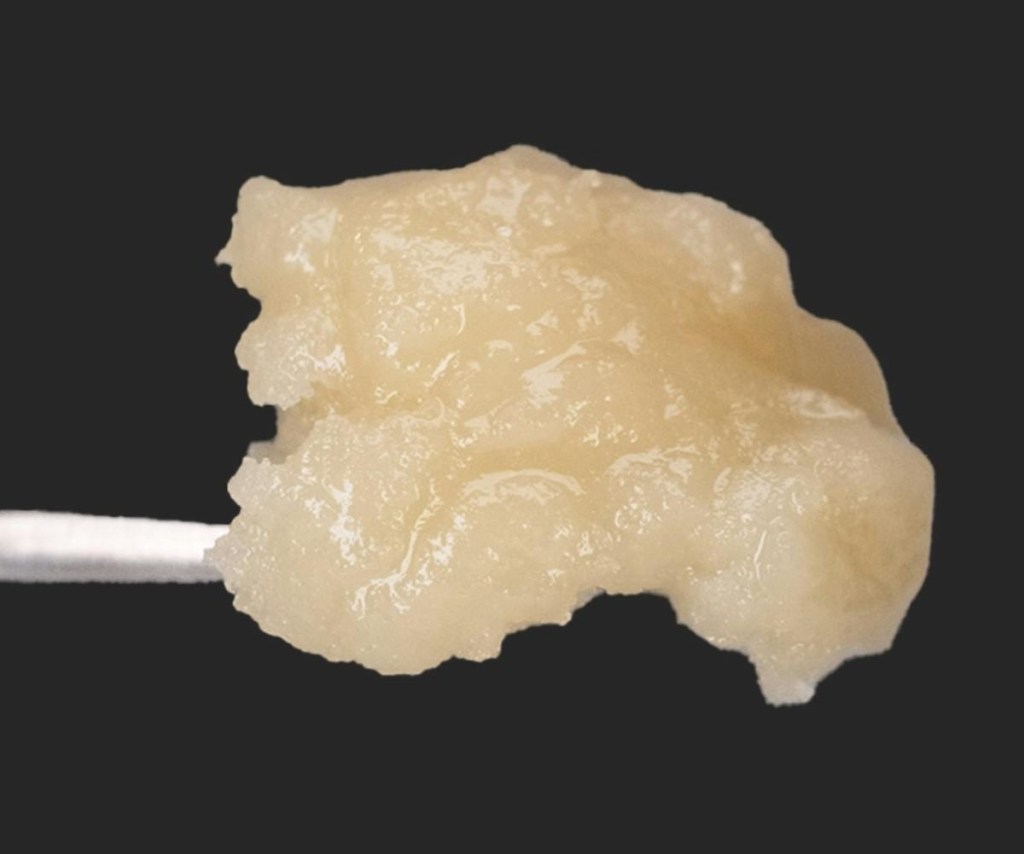
Rosin: Made by applying heat and pressure to cannabis flower, hash, or kief. Known for being full-spectrum and terpene-rich.
Ice Water Hash (Bubble Hash): Created by agitating cannabis in ice water and filtering out the trichomes through a series of micron screens.
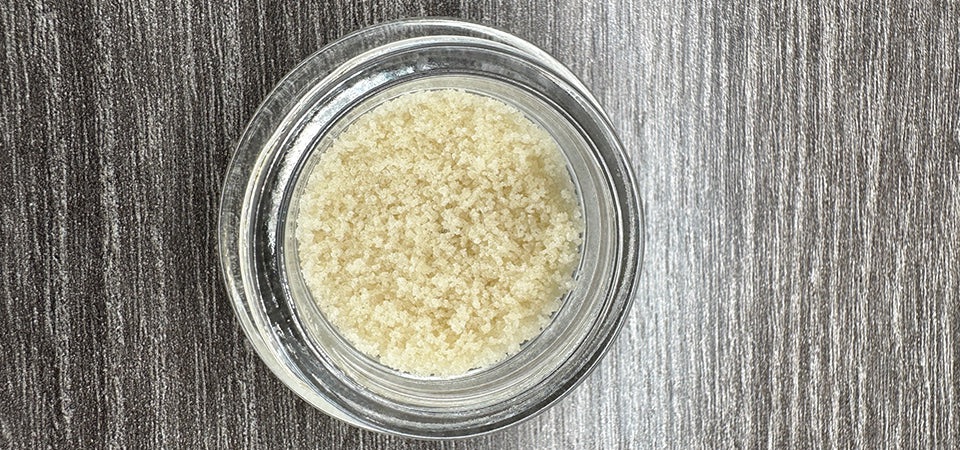
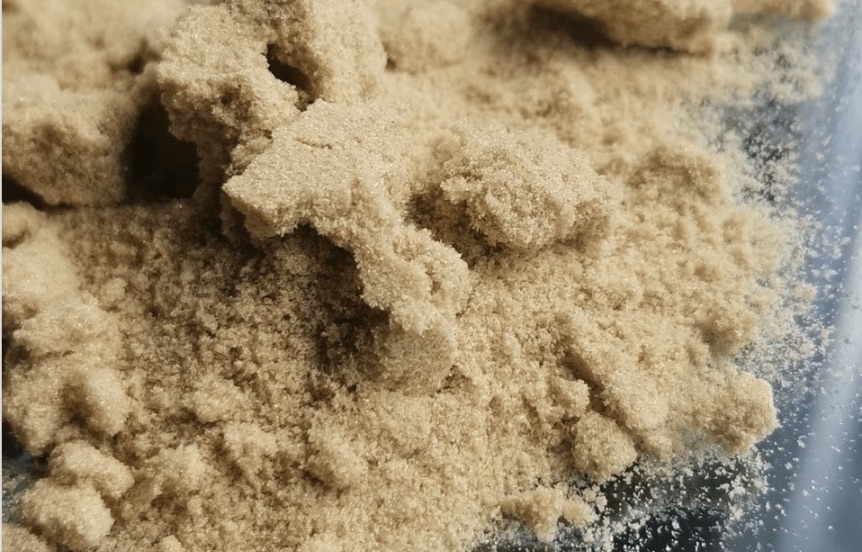
Dry Sift: Produced by sifting dry cannabis material through fine mesh to collect the resin glands.
Pros
No risk of residual solvents Clean, natural expression of the plant Often rich in cannabinoids and terpenes.
Cons
Labor-intensive and costlier to produce Sensitive to heat and must be stored carefully Lower yield compared to solvent-based methods.
Solvent-Based Concentrates: Chemical Extraction
Solvent-based concentrates are created using chemical solvents such as butane, propane, ethanol, or supercritical CO₂ to extract cannabinoids and terpenes from the plant material. After extraction, the product is purged to remove any residual solvents.
Common Solvent-Based Concentrates
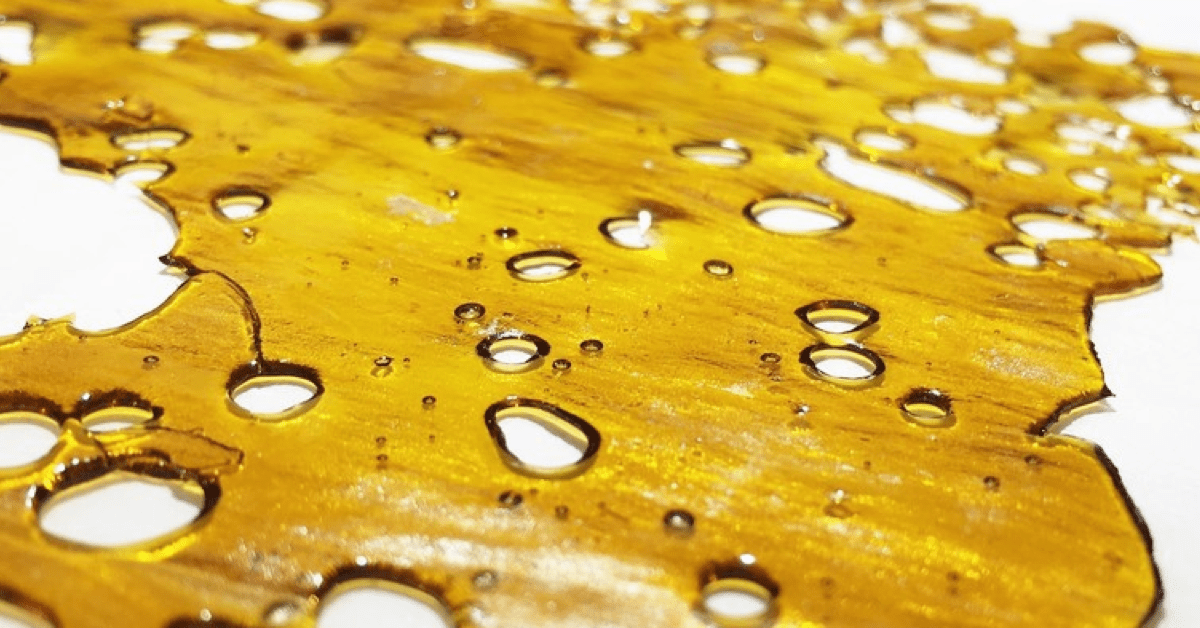
Shatter: A brittle, glass-like extract with high potency and long shelf stability.
Wax/Budder: A whipped, creamy texture that’s easy to work with and often rich in terpenes.
Live Resin: Extracted from fresh frozen flower, preserving more of the plant’s original terpene profile.
Distillate: Highly refined THC oil that’s typically flavorless and odorless.
Diamonds and Sauce: Crystallized THCA (diamonds) suspended in terpene-rich sauce.
Pros
Scalable and efficient production Broad range of textures, potencies, and uses Can isolate or preserve specific cannabinoids and terpenes.
Cons
Potential for residual solvents if improperly purged Lower-quality input material may still be used Often less full-spectrum than solventless products.
What Is CRC and Why Does It Matter?
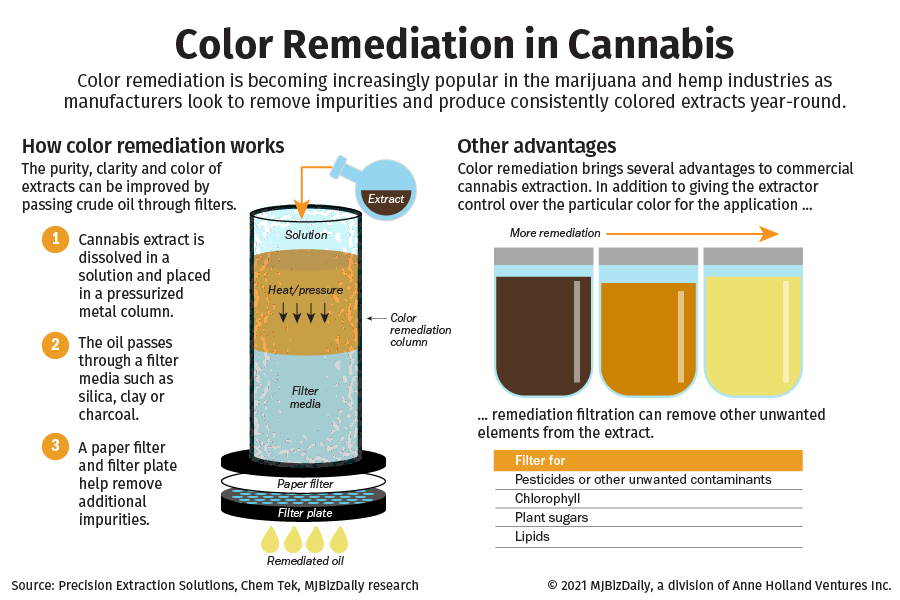
CRC, or Color Remediation Column, is a process used primarily in butane extraction to filter and “clean up” the visual appearance of a cannabis concentrate. During this process, the extracted oil is passed through a column filled with various filtration media, such as bentonite clay, silica, or activated charcoal, to remove pigments, impurities, and undesirable compounds.
While CRC can improve the appearance of a concentrate by lightening its color, it can also:
Strip away valuable terpenes and cannabinoids Alter the flavor and aromatic profile Mask low-quality or poorly stored biomass Introduce residual filtration agents if not properly flushed.
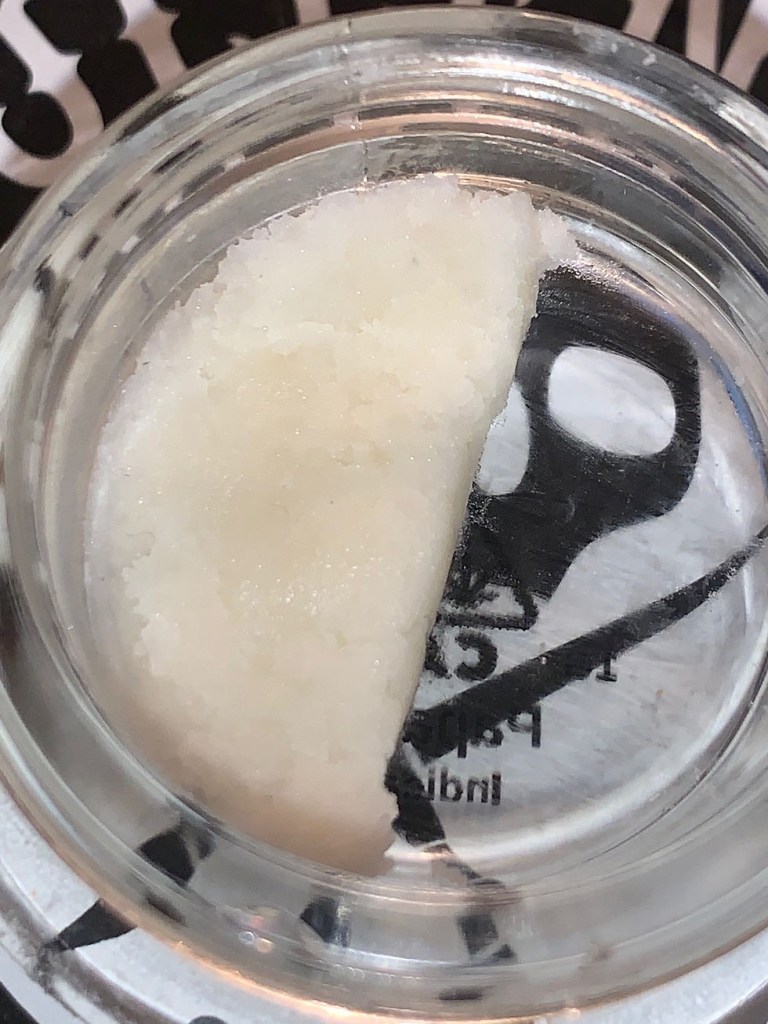
In short, while CRC has legitimate uses when applied thoughtfully, it’s also a technique that can make low-quality product look premium. Consumers should be cautious of ultra-light or unusually clear extracts, especially when they lack aroma or flavor.
Concentrate Consistencies: What to Expect on the Shelf
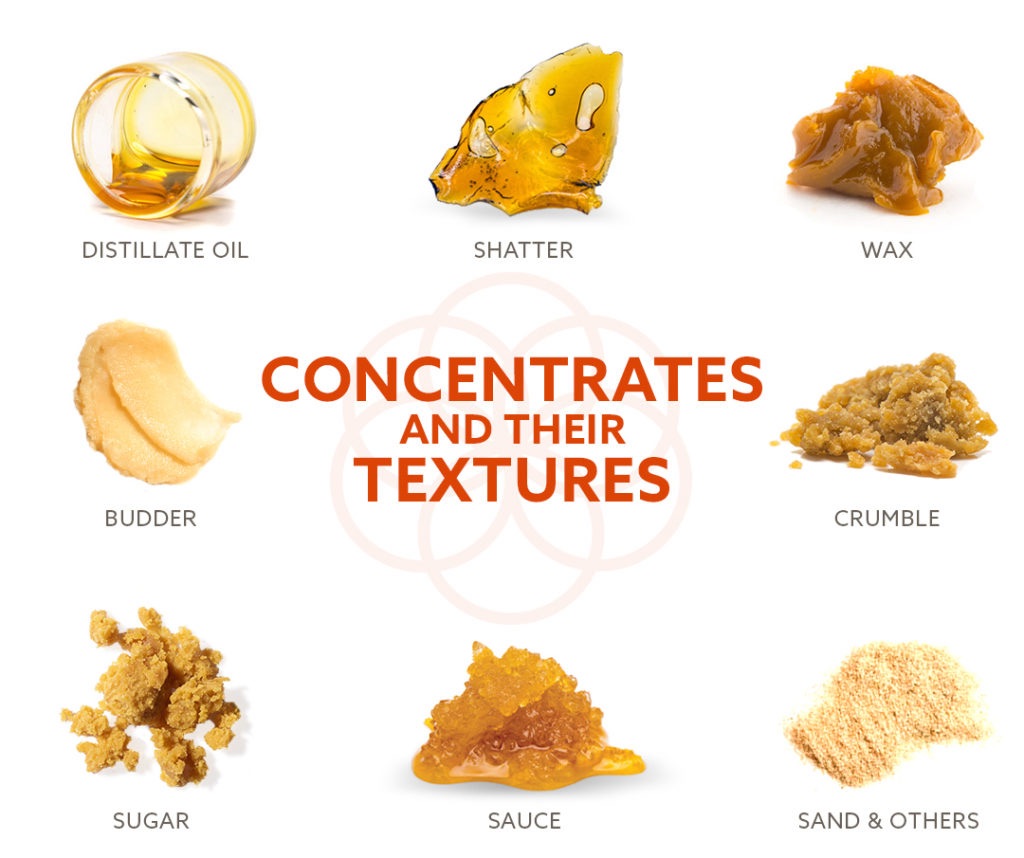
Cannabis concentrates come in a wide range of consistencies, influenced by both the extraction method and post-processing techniques. Here’s a rundown of the most common types:
Shatter
Glass-like, brittle texture Amber to light yellow in color High potency but can lack terpene richness.
Wax/Budder
Whipped texture; creamy or cake-like Easier to handle than shatter Typically rich in aroma and flavor.
Crumble
Dry, honeycomb-like texture Less sticky, easy to dab or sprinkle on flower Typically made through agitation and purging.
Live Resin
Made from flash-frozen cannabis Terpene-rich, aromatic, and flavorful Can appear as sugar, sauce, or a combination.
Diamonds
Crystallized THCA, often isolated through slow purging Very high potency Usually paired with sauce for flavor.
Sauce
Thick, sticky terpene extract Often used in combination with diamonds or other high-THC crystals.
Rosin
Solventless and full-spectrum. Ranges from sap-like to buddery textures Known for its purity and flavor profile.
Bubble Hash / Ice Water Hash
Appears as sandy kief or pressed patties. Solventless and potent Quality often rated by a “star” system (e.g., 5-star or 6-star hash).
Distillate
Clear, odorless, and flavorless THC oil Extremely potent, often used in vape carts and edibles Lacks full-spectrum effects due to heavy refinement.
Understanding the differences between solventless and solvent-based concentrates, as well as how processes like CRC can impact both quality and appearance, empowers consumers to make better purchasing decisions. While color and texture might catch your eye, always consider how the product was made and what kind of input material was used. Ask your budtender questions, read lab results, and trust your senses, especially your nose and taste buds.
Final Thoughts
If you found this article helpful, consider liking it and leaving a comment below. Share your thoughts, experiences, or questions about different concentrate types, and join the ongoing conversation about quality, transparency, and cannabis education.

Stay in the loop with all things Illinois Cannabis by joining the Couch Lock’d Newsletter here!
Become a Couch Lock’d Member.
Want to meet more people in the community and see what everyone’s smoking on? Join our Telegram channel here.
Find our latest reviews here.
Hosting an event & need a consumption bar? Hit us up here.
Save money with our affiliate links here.
Get your Illinois Medical Card for $85 with our link here.
 COUCH LOCK’D
One thought on “Solventless vs. Solvent-Based Cannabis Concentrates: Understanding the Differences, CRC, and Common Consistencies”