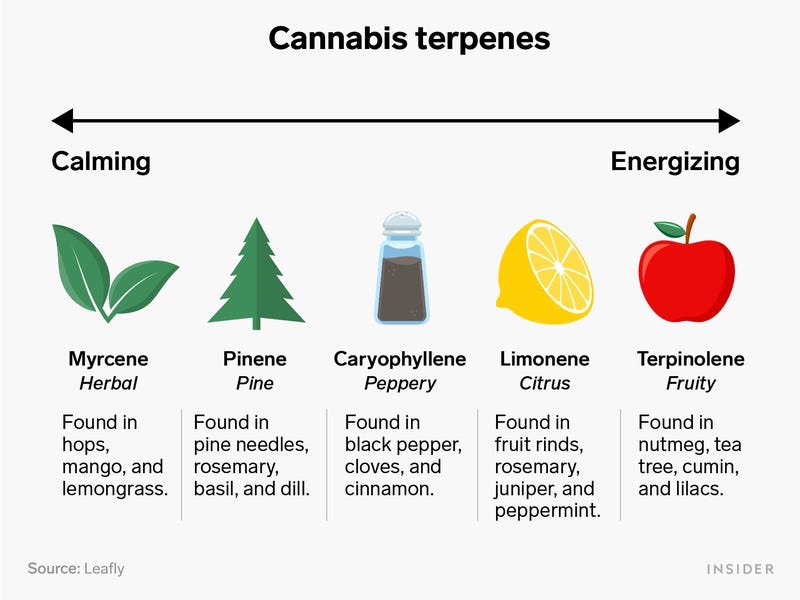
Ever wondered what gives your favorite cannabis strain its unique scent, flavor, and effects? The answer lies in a fascinating world beyond just THC and CBD. Welcome to the intricate symphony of compounds that work together to create the magic in your bud: terpenes and a whole family of cannabinoids.
At Couch Lock’d, we’re all about elevating your cannabis experience, and that starts with understanding what you’re consuming. So, buckle up as we break down the science behind the scent and the power of the entourage.
More Than Just a Pretty Smell: The Power of Terpenes
Before you even light up, the first thing you notice about a new strain is its aroma. Is it citrusy and uplifting? Piney and fresh? Or maybe earthy and pungent? You have terpenes to thank for that.
Terpenes are aromatic compounds found in all sorts of plants, not just cannabis. They’re responsible for the scent of lavender, the zest of a lemon, and the refreshing quality of pine. In the cannabis plant, these fragrant molecules do more than just please the nose; they play a crucial role in the plant’s effects.
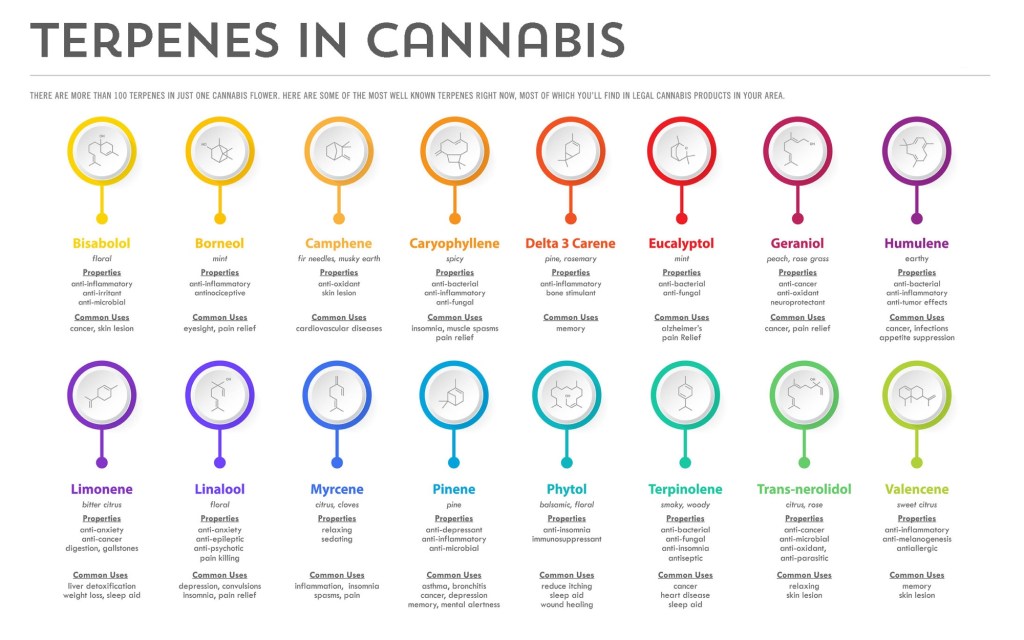
Here’s a look at some of the most common terpenes and their reported benefits:
- Myrcene: The most prevalent terpene in cannabis, myrcene is known for its earthy, musky, and slightly fruity aroma. It’s often associated with the sedative, “couch-lock” feeling of indica strains and is believed to have relaxing and anti-inflammatory properties.
- Limonene: As the name suggests, limonene boasts a strong citrus scent. Found in the rinds of citrus fruits, this terpene is often linked to mood elevation, stress relief, and a more energetic experience.
- Pinene: Evoking the crisp scent of a pine forest, pinene is another common terpene with two main varieties: alpha-pinene and beta-pinene. It’s suggested to promote alertness, memory retention, and to counteract some of the potential short-term memory impairment from THC.
- Linalool: With a floral, lavender-like aroma, linalool is known for its calming and anxiety-reducing effects. It’s a key player in strains that are sought after for relaxation and stress relief.
- Caryophyllene: This terpene has a spicy, peppery kick and is also found in black pepper and cloves. What makes caryophyllene unique is that it also acts as a cannabinoid, binding to the CB2 receptors in our endocannabinoid system, potentially offering anti-inflammatory and pain-relieving benefits.
- Humulene: Found in hops and coriander, humulene has an earthy, woody aroma. It’s believed to have anti-inflammatory properties and may even act as an appetite suppressant.
The Headliners: THC and CBD
Even the most casual cannabis consumer has heard of THC and CBD. These are the most abundant and well-researched cannabinoids, and for good reason.
- THC (Tetrahydrocannabinol): This is the primary psychoactive compound in cannabis, responsible for the euphoric “high.” THC interacts with the CB1 receptors in our brain and central nervous system, leading to its well-known effects on mood, perception, and appetite. Its benefits can include pain relief, nausea reduction, and sleep aid.
- CBD (Cannabidiol): The non-psychoactive counterpart to THC, CBD has gained immense popularity for its therapeutic potential without the intoxicating effects. CBD interacts with a wider range of receptors in the body and is often used to alleviate anxiety, inflammation, seizures, and pain. It can also modulate the effects of THC, sometimes reducing the anxiety that high doses of THC can induce.
The Supporting Cast: Why Minor Cannabinoids Matter
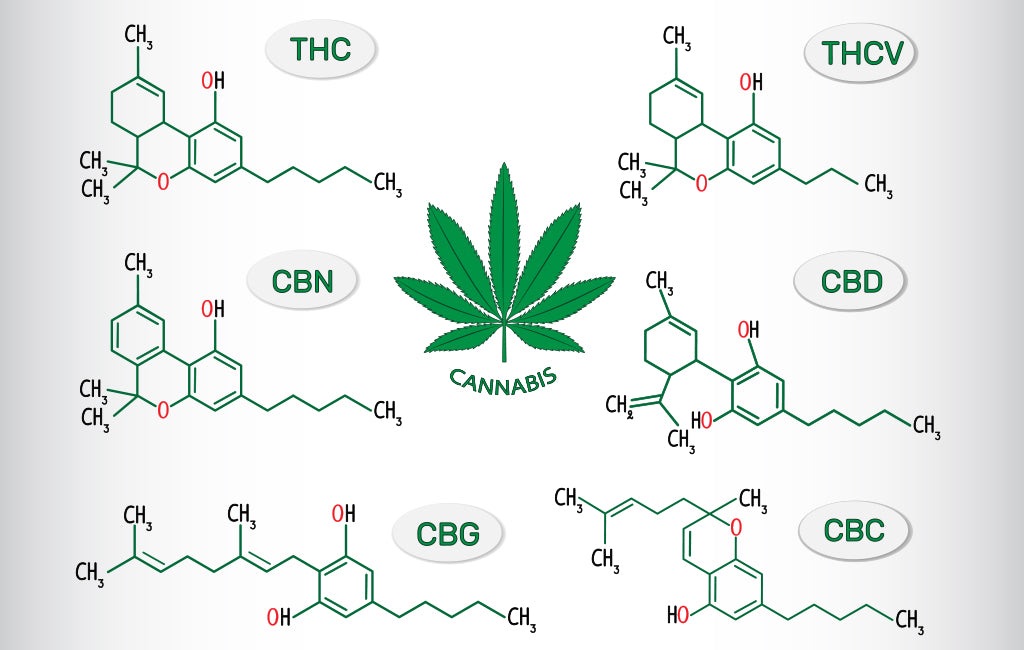
While THC and CBD get most of the spotlight, they are just two of over a hundred cannabinoids found in the cannabis plant. The so-called “minor” or “rare” cannabinoids are present in smaller quantities but are gaining recognition for their unique and powerful benefits. Their presence contributes to the nuanced effects of different strains.
Here are a few of the rising stars:
- CBG (Cannabigerol): Often referred to as the “mother of all cannabinoids,” CBG is the precursor from which other cannabinoids like THC and CBD are synthesized. Early research suggests CBG may have anti-inflammatory, antibacterial, and neuroprotective properties. It’s also being studied for its potential to help with conditions like glaucoma and inflammatory bowel disease.
- CBN (Cannabinol): CBN is formed as THC ages and breaks down. While not as psychoactive as THC, it’s gaining a reputation for its sedative effects, making it a potential powerhouse for sleep. If you’ve ever had aged cannabis that made you particularly sleepy, you’ve experienced the effects of CBN.
- THCV (Tetrahydrocannabivarin): This cannabinoid is an interesting one. In low doses, it doesn’t produce a high and may even suppress appetite, earning it the nickname “diet weed.” In higher doses, it can be psychoactive, but the high is often described as more clear-headed and stimulating than a THC high. It’s being researched for its potential role in appetite control and blood sugar regulation.
The Entourage Effect: Stronger Together
The real magic happens when all these compounds, terpenes and cannabinoids, both major and minor, work together in synergy. This phenomenon is known as the entourage effect.
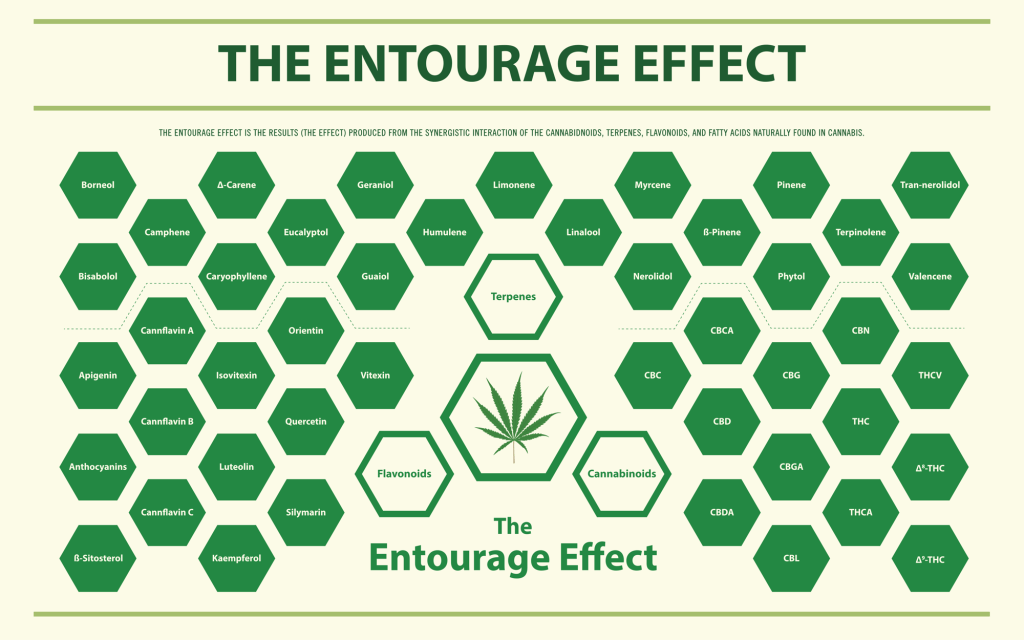
Think of it like a band. THC might be the lead singer, but the final sound is richer and more complex with the bassist (CBD), the drummer (terpenes), and the keyboardist (minor cannabinoids) all playing their parts. The combination of these elements can enhance the therapeutic benefits and modulate the overall experience in a way that isolated compounds cannot.
This is why many experienced consumers prefer full-spectrum products, which contain a wide range of cannabinoids and terpenes, over isolates that contain only THC or CBD. The entourage effect explains why two strains with the same THC percentage can have vastly different effects.
The world of cannabis is incredibly complex and we are only just beginning to scratch the surface of its potential. By paying attention to the terpenes and the full cannabinoid profile of your products, you can better predict and tailor your experience. The next time you’re choosing a strain, don’t just look at the THC content. Ask about the terpenes and the other cannabinoids present. Your journey to the perfect high might just be a sniff and a little knowledge away.
What are your favorite terpene profiles? Have you noticed the effects of minor cannabinoids? Drop a comment below and let us know! And if you found this article helpful, be sure to like and share it with your fellow cannabis enthusiasts.

Stay in the loop with all things Illinois Cannabis by joining the Couch Lock’d Newsletter here!
Become a Couch Lock’d Member.
Want to meet more people in the community and see what everyone’s smoking on? Join our Telegram channel here.
Find our latest reviews here.
Hosting an event & need a consumption bar? Hit us up here.
Save money with our affiliate links here.
Get your Illinois Medical Card for $85 with our link here.
 COUCH LOCK’D